

A background check can reveal different information depending on the records searched, the requester, and California law. A pending case may receive different treatment than a conviction. An arrest alone also does not necessarily establish guilt or determine whether someone can be denied employment.
Understanding what may appear helps you respond to criminal information. California also limits how certain records can be used in employment decisions.
1. An Arrest Is Not the Same as a Conviction
Private employers cannot simply obtain every government record about an individual. An unresolved case also does not mean a person has been found guilty. Understanding pending charges requires looking at the current status of the case. A charge may later be dismissed, reduced, or resolved through another legal outcome.
A background report may identify an arrest, charge, conviction, or case outcome. The result depends on the source and purpose of the search. California Department of Justice records can contain information submitted by law enforcement agencies. Access to those records is restricted under state law.
2. Arrest Information Does Not Automatically Establish Guilt
An arrest does not prove that someone committed a crime. Arrest records may identify an arrest without showing a conviction or final case result. Information can also vary between databases because records are updated at different times. A screening report may therefore require additional review before its information is relied upon.
California employers face restrictions when considering arrest information for employment purposes. Covered employers generally cannot use an arrest that did not result in conviction as the basis for employment decisions. The circumstances surrounding the record can therefore matter significantly.
3. The Source of the Information Matters
Your criminal history may come from court records, law enforcement databases, government repositories, or consumer reporting companies. These sources can contain different information and may update at different times. A commercial report might contain an incomplete case status or an error.
California provides procedures for challenging certain inaccurate information. Reviewing the underlying court information can help determine whether a report accurately reflects the case. You should also consider when the information was collected. An old report may not accurately describe the current status of a case.
4. Employers Must Follow Specific Screening Rules
Employment background screening can involve criminal information, employment history, education, professional credentials, and other records. The information reviewed depends on the position and applicable law. California’s Fair Chance Act generally restricts covered employers from asking about conviction history before making a conditional offer.
After a conditional offer, an employer may conduct a criminal history inquiry when permitted. Additional procedures may apply if the employer considers withdrawing the offer. The decision-making process can require an individualized assessment of the offense, time passed, and relationship to the position.
5. The Hiring Process Can Include Legal Restrictions
The hiring process does not give an employer unlimited access to an applicant’s personal information. California law places restrictions on when covered employers may ask about conviction history. Employers must also follow specific procedures when considering certain criminal information after a conditional offer.
These requirements are intended to provide applicants with an opportunity to respond. The employer may need to consider whether the record is relevant to the position. This means a criminal record does not automatically prevent someone from receiving or keeping a job in California.
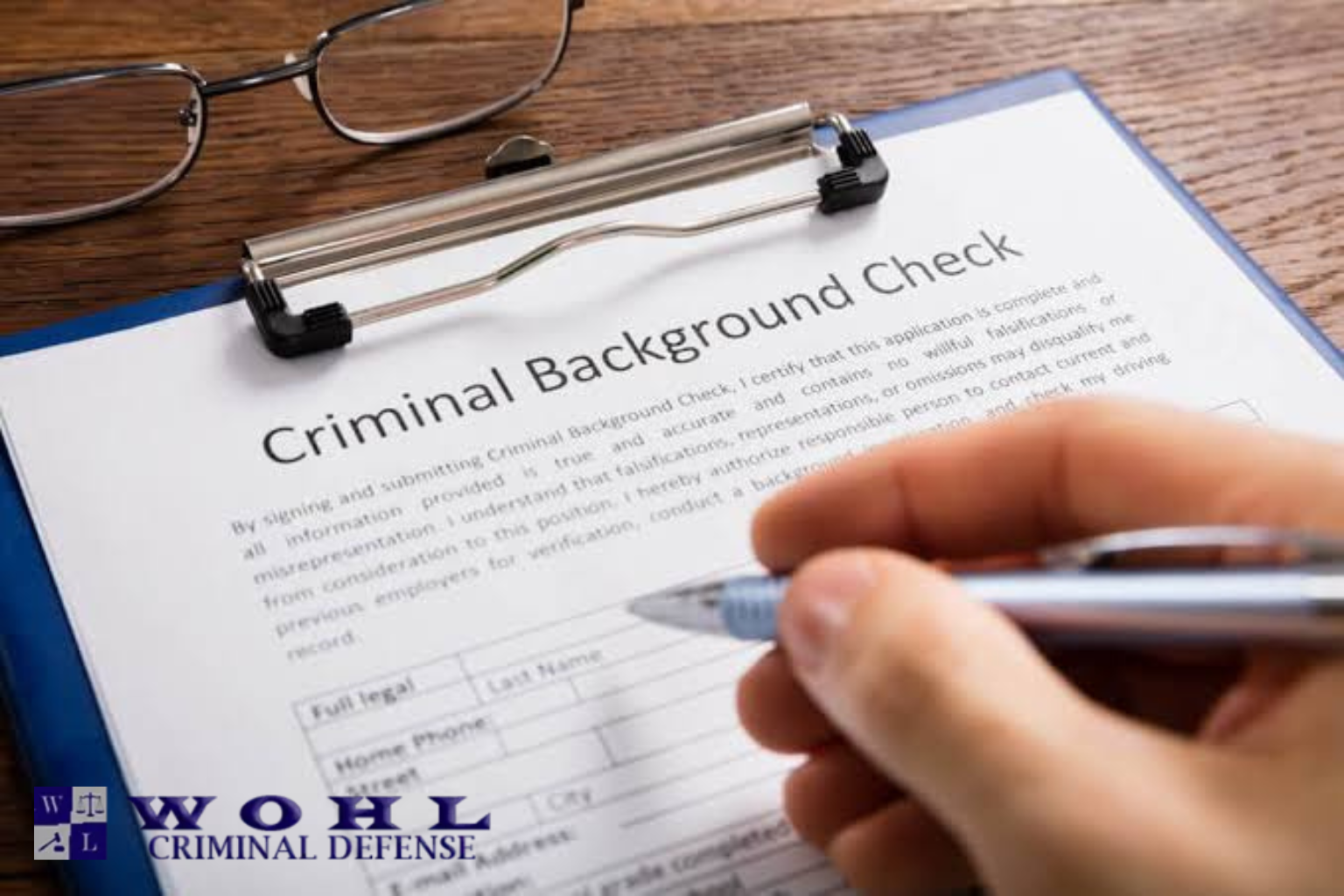
6. Background Check Laws Affect What Employers Can Consider
California background check laws can affect what information employers request, receive, and consider. Federal requirements may also apply depending on how a screening report is obtained and used. The rules can differ based on the purpose of the search. Employment screening, licensing decisions, and other background investigations may involve different requirements.
Certain records can receive additional legal protections. Anyone reviewing a report should therefore consider who requested it and why. Understanding the applicable rules can help identify whether information was obtained or used improperly.
7. Publicly Available Information Is Not Always Complete
Some case information may appear in public records, including certain court information. However, public availability does not mean every record is accessible to everyone. Courts and government agencies can maintain information subject to different access restrictions.
Certain records may also become unavailable through sealing or other legal remedies. A commercial screening report may not perfectly match the underlying court file.
The date and source of the information can also affect accuracy. Anyone concerned about a report should compare questionable information with reliable records whenever possible.
8. Expungement Can Provide Important Record Relief
California expungement may provide relief for people who meet applicable legal requirements. However, expungement does not necessarily mean every record disappears from every database.
The legal effect depends on the type of case, the relief obtained, and the purpose for which information is requested. Some government agencies may retain information for authorized purposes.
A person considering record relief should first determine whether the case qualifies. Understanding the specific legal effect of relief can help prevent unrealistic expectations about what future searches may show.
9. Sealed Information May Receive Different Treatment
Sealed records may not appear in ordinary searches in the same way as publicly accessible records. However, sealing does not necessarily make information unavailable for every legal purpose. Certain government agencies or authorized users may retain access under applicable law.
The effect also depends on the type of record and the legal authority supporting the sealing order. If an old case continues creating problems, determining whether record relief is available may be worthwhile. A careful review can clarify whether the information remains accessible and who may legally obtain it.
10. A Report Can Be Challenged When Information Is Wrong
A criminal background check should not automatically be treated as accurate simply because it came from a screening company. Errors can include incorrect case outcomes, duplicate records, outdated information, or mistaken identities. If a report contains inaccurate information, the person affected may have rights to dispute the information.
Employers may also have legal obligations when using consumer reports for employment decisions. Reviewing the report carefully can help identify problems early. Keeping copies of relevant court documents may also help when explaining or correcting disputed information.
Protect Your Future by Understanding What a Background Check Can Show
A background check can contain information that varies by source, purpose, timing, and California law. An arrest is not the same as a conviction, and an unresolved case does not establish guilt. Record relief may also change how information is treated, but it does not erase every record for every purpose.
If you are concerned about how a criminal case could affect employment or future opportunities, Wohl Criminal Defense can help you understand your options. You can call 909-689-4292 or contact our firm online for guidance about your situation.
Frequently Asked Questions
What does a criminal background check include?
A criminal background check may include court records, arrest information, and convictions, depending on the search and applicable laws. Some records may be unavailable because they are sealed, expunged, or restricted.
What laws govern background checks in California?
California background check laws regulate how employers obtain and use background information. Covered employers generally must follow specific rules when requesting and considering conviction history during hiring.
How do employers conduct background screening?
Employers conduct employment background screening to verify work history, education, credentials, and legally available criminal information. The process depends on the position, employer policies, and applicable laws.
Can I access someone’s criminal records for free?
Some public records are available through government websites or court offices, sometimes at no cost. However, access varies by jurisdiction, and free searches may not provide complete or current information.