

Miranda rights protect people during certain police questioning situations involving custody and interrogation. They are designed to protect against compelled self-incrimination. They also provide access to counsel during custodial questioning. However, Miranda protections do not apply every time police speak with someone.
The timing of the warning matters, as does whether the person is actually in custody. Understanding these distinctions can help you recognize when constitutional protections may apply. It can also prevent confusion about what police can ask and what prosecutors may use in court.
What Are Miranda Rights?
The term Miranda warning comes from Miranda v. Arizona, the 1966 Supreme Court decision establishing safeguards for custodial interrogation.
Police generally must advise a person of certain rights before custodial interrogation. The warning typically explains that the person can remain silent. It also explains that statements may be used against them. The person must also be told about the right to counsel.
These protections exist because custodial questioning can create pressure to speak. The Supreme Court recognized that pressure when establishing the Miranda rule.
When Do Miranda Protections Apply?
The phrase right to remain silent describes one of the core protections provided through Miranda. However, simply being questioned by police does not automatically trigger the requirement.
Two conditions generally matter:
- The person must be in police custody.
- Officers must be conducting an interrogation.
A person can speak with officers voluntarily without necessarily being in custody. Police may also ask questions during some encounters without triggering Miranda requirements. Courts examine the circumstances to determine whether the person was actually restrained.
What Does the Right to Counsel Mean?
The right to an attorney is another central Miranda protection. A person subjected to custodial interrogation must be informed of this right before questioning.
The warning generally explains that an attorney can be present during questioning. It also explains that an attorney can be appointed when the person cannot afford one.
This protection can become particularly important when investigators ask questions about an alleged offense. Statements made during questioning may later become significant evidence. If you are under investigation, the firm’s criminal defense lawyer explains why early legal advice can matter.
What Is Custodial Interrogation?
Police custody does not necessarily mean that someone has formally been arrested. The legal question focuses on whether the person’s freedom has been restrained similarly to an arrest.
The second requirement involves interrogation. Direct questions are obvious examples. However, interrogation can involve conduct designed to encourage an incriminating response.
This distinction is important because Miranda applies to a specific situation. The Supreme Court described it as questioning after a person has been taken into custody or significantly deprived of freedom. A routine conversation with an officer does not automatically become custodial interrogation.
What Miranda Does Not Protect
Custodial interrogation is narrower than ordinary communication with law enforcement. Miranda generally concerns statements obtained during qualifying custodial questioning.
It does not create a general rule that police must read rights before every conversation. Officers may conduct certain investigative activities without providing a warning first. Officers can gather physical evidence, interview witnesses, and conduct other lawful investigative steps.
The specific circumstances therefore matter. A court may examine the location, questioning methods, restraint, timing, and surrounding facts. The firm’s criminal case timeline provides additional context about what can happen after an arrest.
How Miranda Protects Against Self-Incrimination
The protection against self-incrimination comes from the Fifth Amendment. That constitutional privilege protects people from being compelled to provide testimonial evidence that could expose them to criminal liability.
Miranda warnings help protect that privilege during custodial interrogation. They give people an opportunity to understand their rights before answering questions.
A person does not have to prove innocence by answering police questions. Statements can have significant consequences depending on the circumstances. The felony defense information explains why defendants should understand their rights before discussing allegations with investigators.
Miranda Rights and the Fifth Amendment
The Fifth Amendment provides the constitutional foundation for the privilege against compelled self-incrimination. Miranda established procedural safeguards designed to protect that privilege during custodial interrogation.
The Supreme Court’s decision did not create the Fifth Amendment itself. Instead, it established requirements for protecting the privilege during police questioning.
Miranda therefore represents one part of broader constitutional protections available in criminal cases. Other constitutional provisions can apply to searches, seizures, counsel, identification procedures, and other investigative actions. Understanding which protection applies requires examining the specific facts.
What Happens If Police Violate Miranda?
Constitutional rights violations can raise important questions about whether statements can be used in court. A Miranda violation does not automatically mean that every part of a criminal case disappears.
The legal consequences can depend on how the statement was obtained and how prosecutors seek to use it. Courts may examine whether the person was actually in custody and whether interrogation occurred. A valid waiver can also affect the analysis. The waiver must generally be voluntary, knowing, and intelligent.
What Should You Do During Police Questioning?
Police questioning can feel intimidating, particularly when officers suggest that cooperation will resolve the situation. You should avoid guessing about your legal rights or making unnecessary statements.
If you believe you are being investigated, consider these practical steps:
- Remain calm and avoid arguing with officers.
- Do not provide false information.
- Clearly state that you want an attorney.
- Avoid discussing case details with investigators.
- Follow lawful instructions without volunteering information.
If you face DUI allegations, the firm’s DUI defense discusses how police procedures can become relevant to a defense.
Understanding Your Criminal Defense Rights
Criminal defense rights extend beyond Miranda protections. Depending on the circumstances, constitutional issues can involve searches, seizures, counsel, due process, and the admissibility of evidence. Miranda is especially important when prosecutors rely on statements obtained during custodial questioning. However, the absence of a warning does not necessarily resolve every issue.
A defense attorney can review the circumstances surrounding an arrest and questioning. That review can include when custody began, what officers asked, and whether a waiver occurred.
Know What Miranda Rights Actually Protect
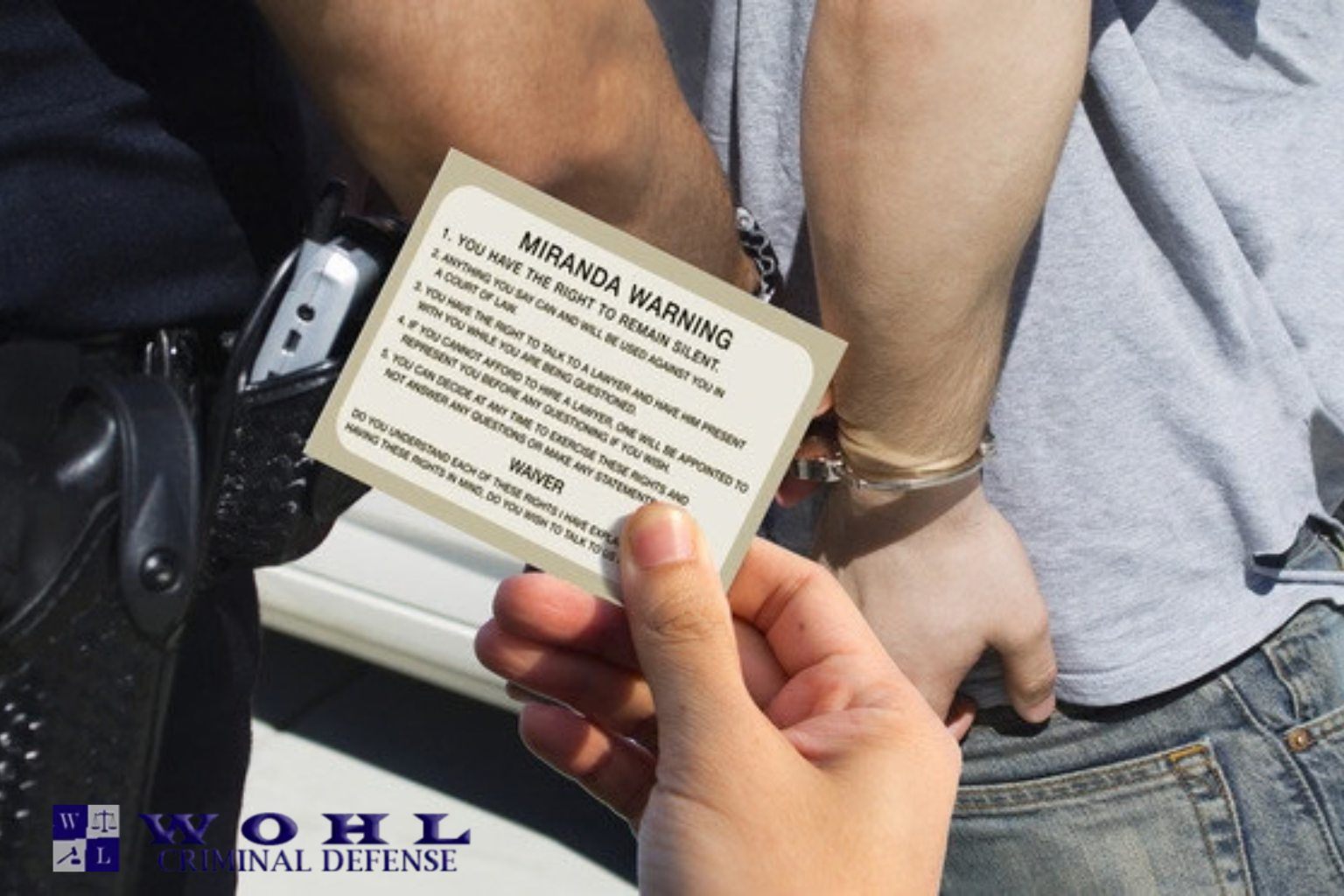
Miranda protections are specific safeguards for custodial interrogation. They do not prevent all police questioning or eliminate every piece of evidence from a case.
If you are questioned while in custody, understanding the difference between voluntary conversation and custodial interrogation matters. The same applies when determining whether a statement was properly obtained.
Wohl Criminal Defense represents individuals facing criminal allegations in Rancho Cucamonga and surrounding Southern California communities. If you are concerned about Miranda rights, you can call 909-689-4292 or contact our firm to discuss your situation.
Frequently Asked Questions
Which countries have Miranda rights?
Miranda rights are specific to the United States and come from Miranda v. Arizona. Other countries have similar constitutional rights, such as access to a lawyer and protection against self-incrimination, but their laws differ.
Do Miranda rights apply to non-US citizens?
Yes. Non-U.S. citizens generally receive Miranda protections during qualifying custodial questioning by U.S. law enforcement. Citizenship does not eliminate the right to remain silent when Miranda applies.
What are the Miranda rights and what are they?
The Miranda warning explains the right to remain silent, the right to an attorney, and that statements can be used against someone in court. These protections generally apply during custodial interrogation.